Mini-symposium “International connections in bioinformatics” at the JOBIM conference

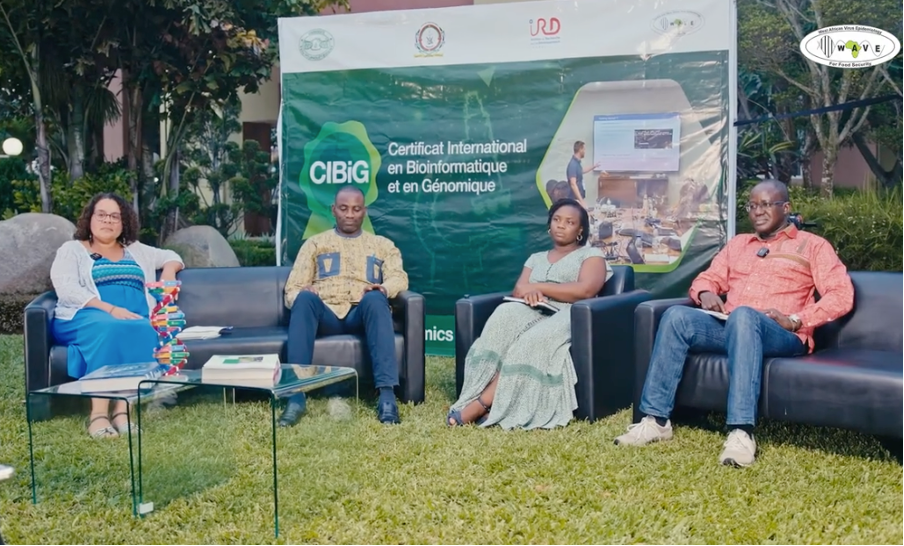
The mini-symposium “International Bioinformatics Connection: Spotlighting Sequencing Technologies Applied to One Health“, co-organized during the JOBIM conference by the French Society for Bioinformatics (SFBI), the French Institute of Bioinformatics (IFB), the WAVE Center, Joseph Ki-Zerbo University (UJKZ), and the French National Research Institute for Sustainable Development (IRD), celebrated ten years of collaboration between African institutions (Joseph Ki-Zerbo University, INERA, and WAVE) and IRD to strengthen bioinformatics capacity in West and Central Africa.

This long-standing partnership has led to the development of training initiatives such as CIBiG (3rd edition in 2026) and the organization of the first meeting of the West and Central African Bioinformatics Network (RABIAS) in Abidjan in 2025.

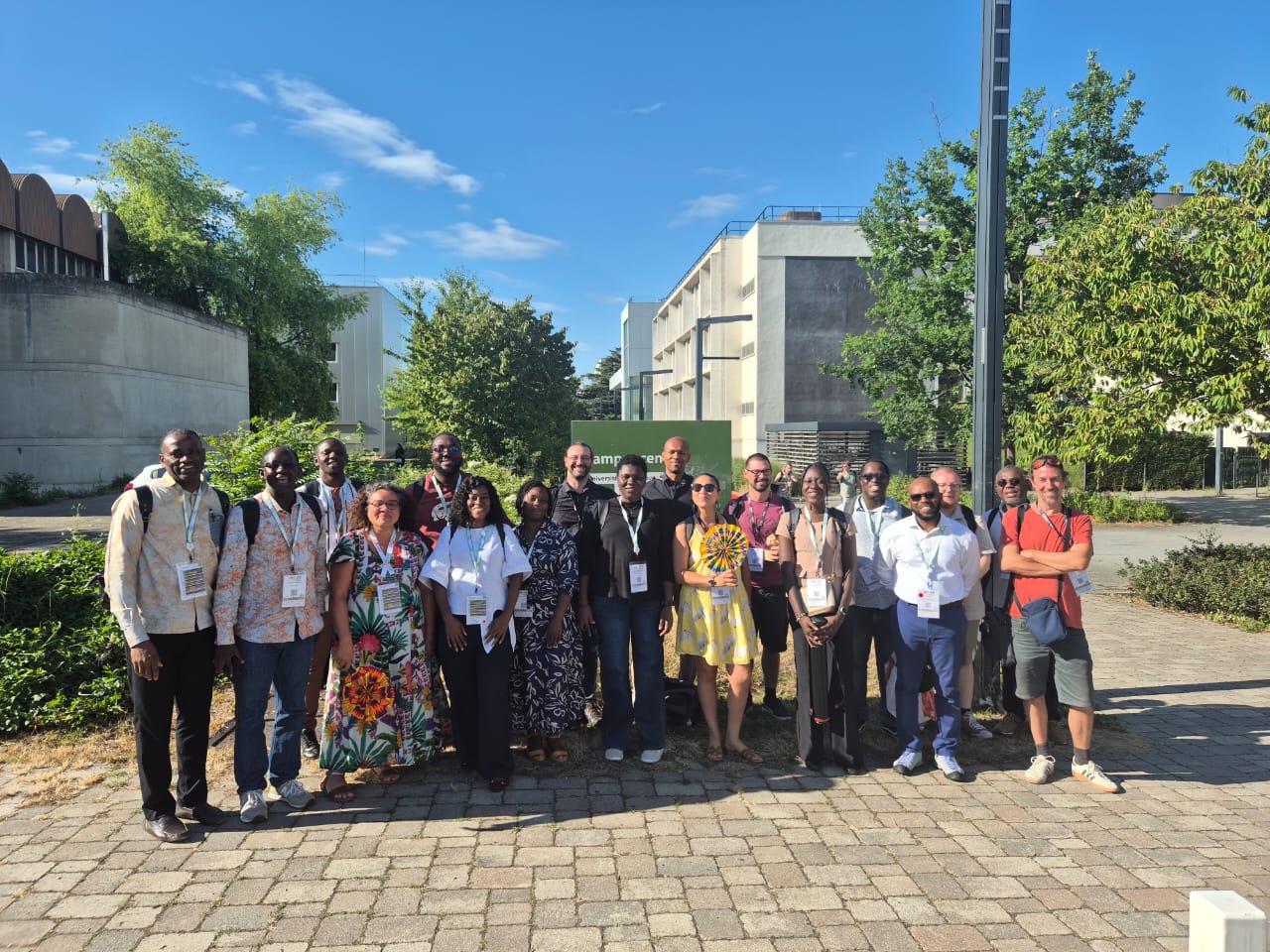
A delegation of 12 African scientists (10 attending in person and 2 remotely) participated in JOBIM 2026. Professor Justin S. Pita (WAVE, RABIAS) and Professor Ana Tereza Ribeiro de Vasconcelos (LNCC/AB3C, Brazil) shared their expertise on high-throughput sequencing and its applications to human, animal, plant, and environmental health within the One Health framework. Two remote JOBIM hubs, hosted at WAVE in Abidjan and at Joseph Ki-Zerbo University in Ouagadougou, enabled scientists to follow the entire conference online.

The symposium highlighted two regional networks that are helping to structure the bioinformatics community and foster scientific collaboration across regions and beyond. Discussions were further enriched by oral presentations and posters from students and researchers, showcasing the diversity and dynamism of bioinformatics initiatives across West and Central Africa.

LinkedIn post available here.
Share

See also

Logo IRD
July 2026
Several initiatives, including two petitions, have been launched to raise awareness about the possible merger of the French National Research Institute for Sustainable Development (IRD) with the French National Centre for Scientific Research (CNRS).
Champ_Riz_Cambodge_Laurent_Laplaze
July 2026
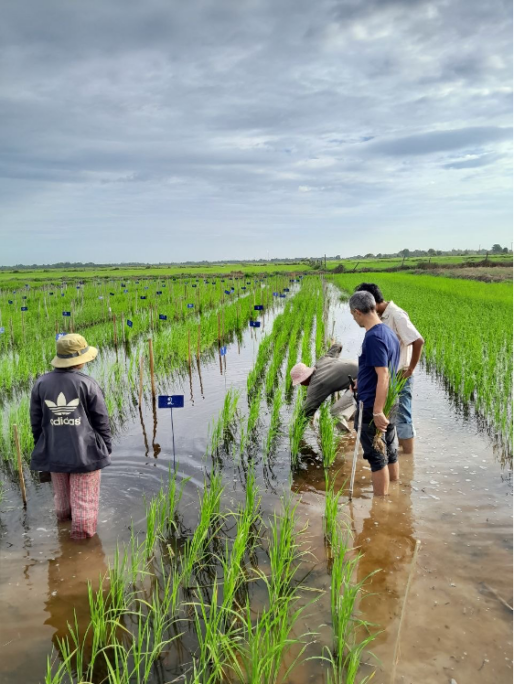
The CERES team is coordinating a collaborative effort to characterize the diversity of Cambodian rice.
July 2026
Christine Tranchant-Dubreuil participated in a discussion on education, research, and the future of genomic sciences in West Africa.
Bolero_SL
July 2026
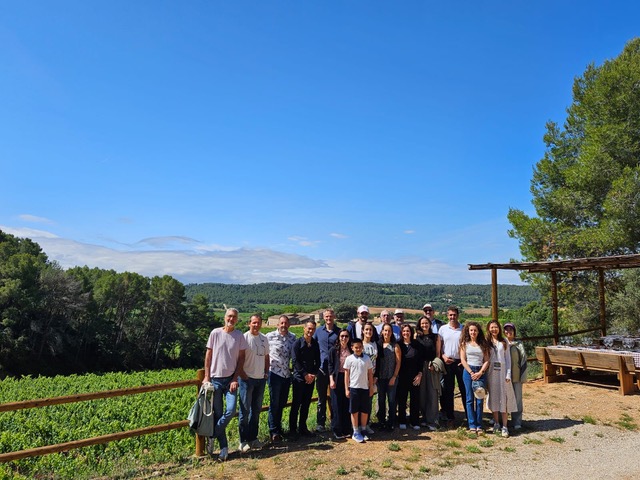
Frédéric Georget, Sophie Léran, Axel Labeyrie, and Hervé Etienne participated in a workshop organized by Agromillora in Sitges, Spain, as part of the Horizon Europe BOLERO project (coordinated by S. Léran, CoffeeAdapt team). The workshop focused on the challenges of rootstock breeding to enhance the resilience of fruit trees in Europe and tropical regions.
IRD_Cambodge
March 2026
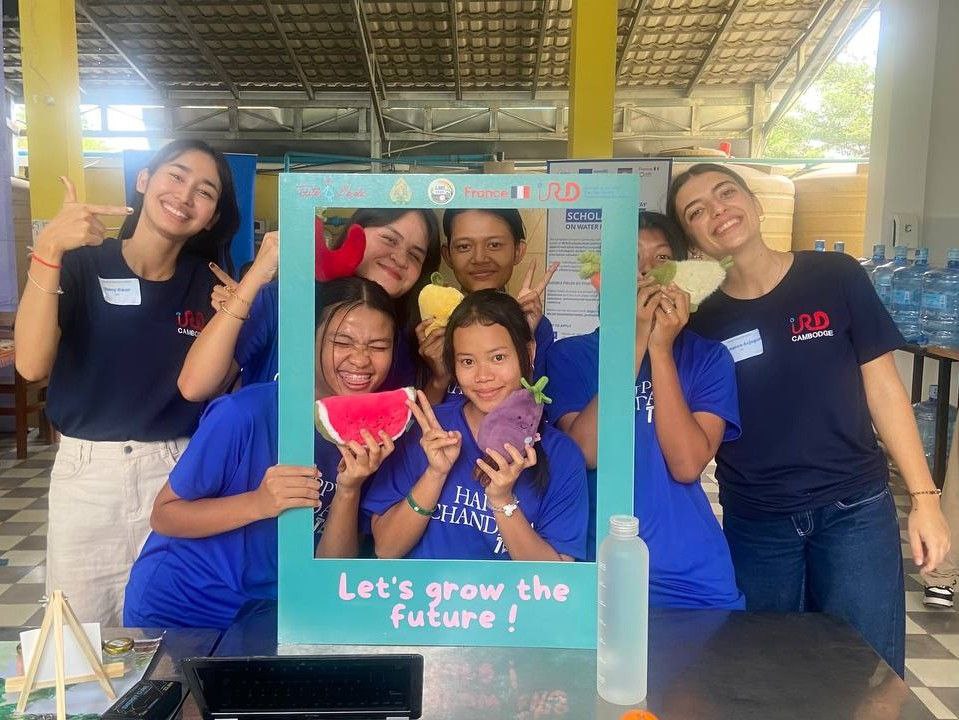
On the occasion of the International Day of Women and Girls in Science, researchers from the Dynadiv team met with students from a school in Phnom Penh, Cambodia.
March 2026
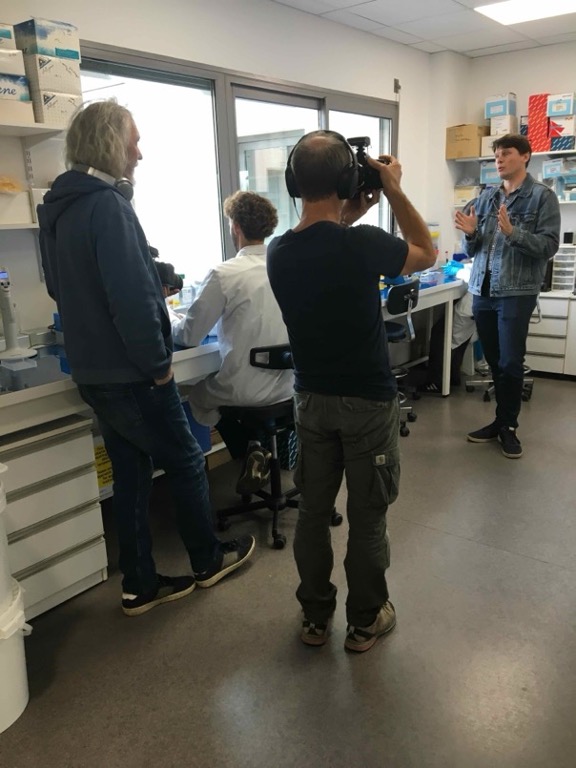
Thomas Couvreur, Yohan Pillon, Alexandra Boultif, and Théo Delaigue took part in the program “Silence, It’s Growing!” broadcast on France 5.
Regime_Palmier
March 2026
Fabienne Morcillo, Stéphane Dussert, and Thibaut Bontpart on a mission in Pobè, Benin, as part of the VitaSPEC project.
Logo IRD
February 2026

Second-class research directors Calendar for second-class research director competitions Eligibility phase (review of applications and interviews with eligible candidates): April-June 2026 Admission phase (review of applications and eligibility reports for eligible candidates): July 2026 Normal class research fellows Calendar for normal class research fellow (CRCN) competitions Eligibility phase (review of applications and interviews with candidates […]

campagne de recrutement des enseignants chercheurs 2026
February 2026
The recruited University Professor will be integrated into the Biology-Mechanisms of Life (Bio-MV) department of the Faculty of Science.
February 2026
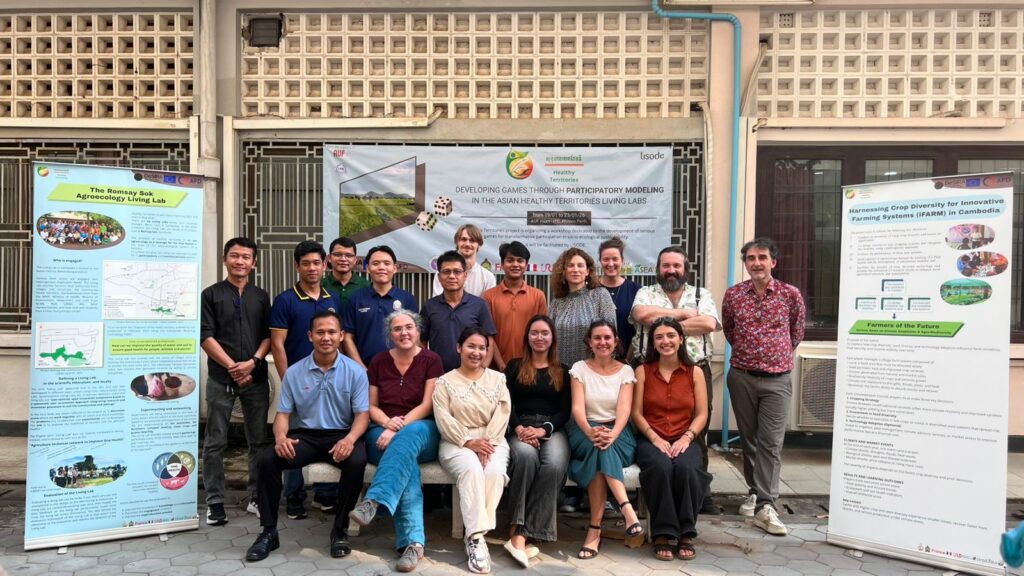
Clémence Aujogue, Adeline Barnaud, and Jules Guillemot participated in a workshop organised in Cambodia on the design of serious games to promote the sustainability of food systems.
Sigle DIADE